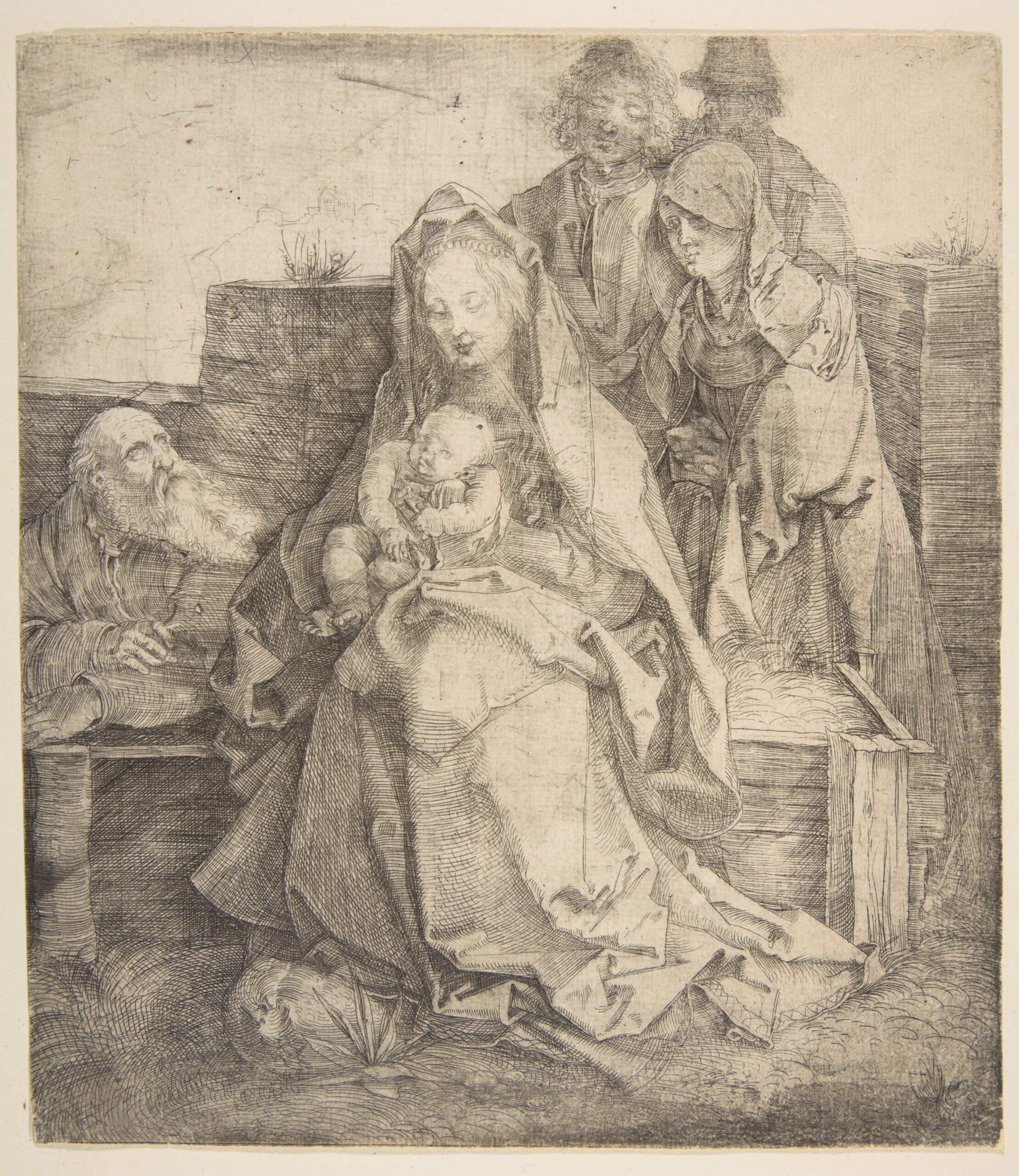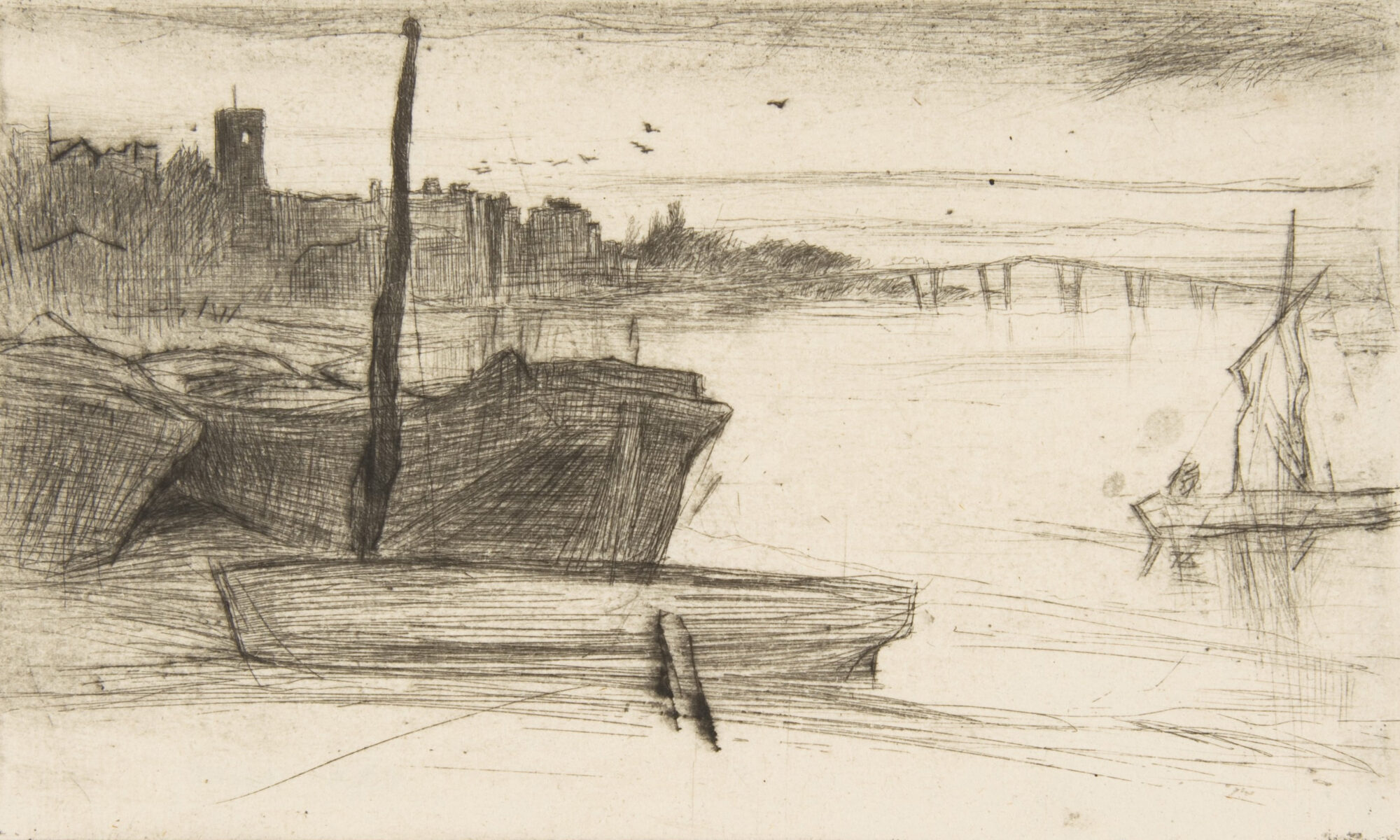
Case in point: the mythical technique “drypoint etching.”
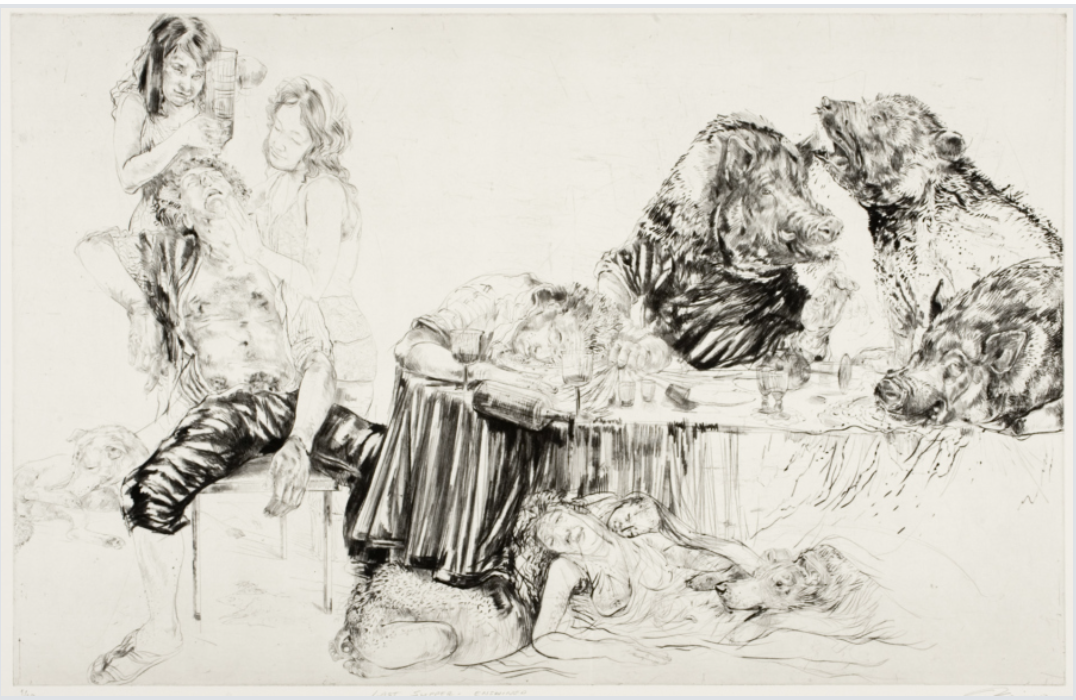
I surmise that mislabelling drypoint as a “drypoint etching” stems from media hierarchy, the influence of SEO and social media tagging. As a result, amateur printmakers, IG reel creators, printmaking blogs and self-taught artists believe that “drypoint etching” is the standard term for drypoint. This misconception arises because they rely on poorly informed sources spread by algorithm- and viewership-driven platforms, rather than reputable print websites, specialist printmakers or authoritative books. The result is widespread, careless and incorrect use of printmaking terminology, including the misnomer “drypoint etching.”
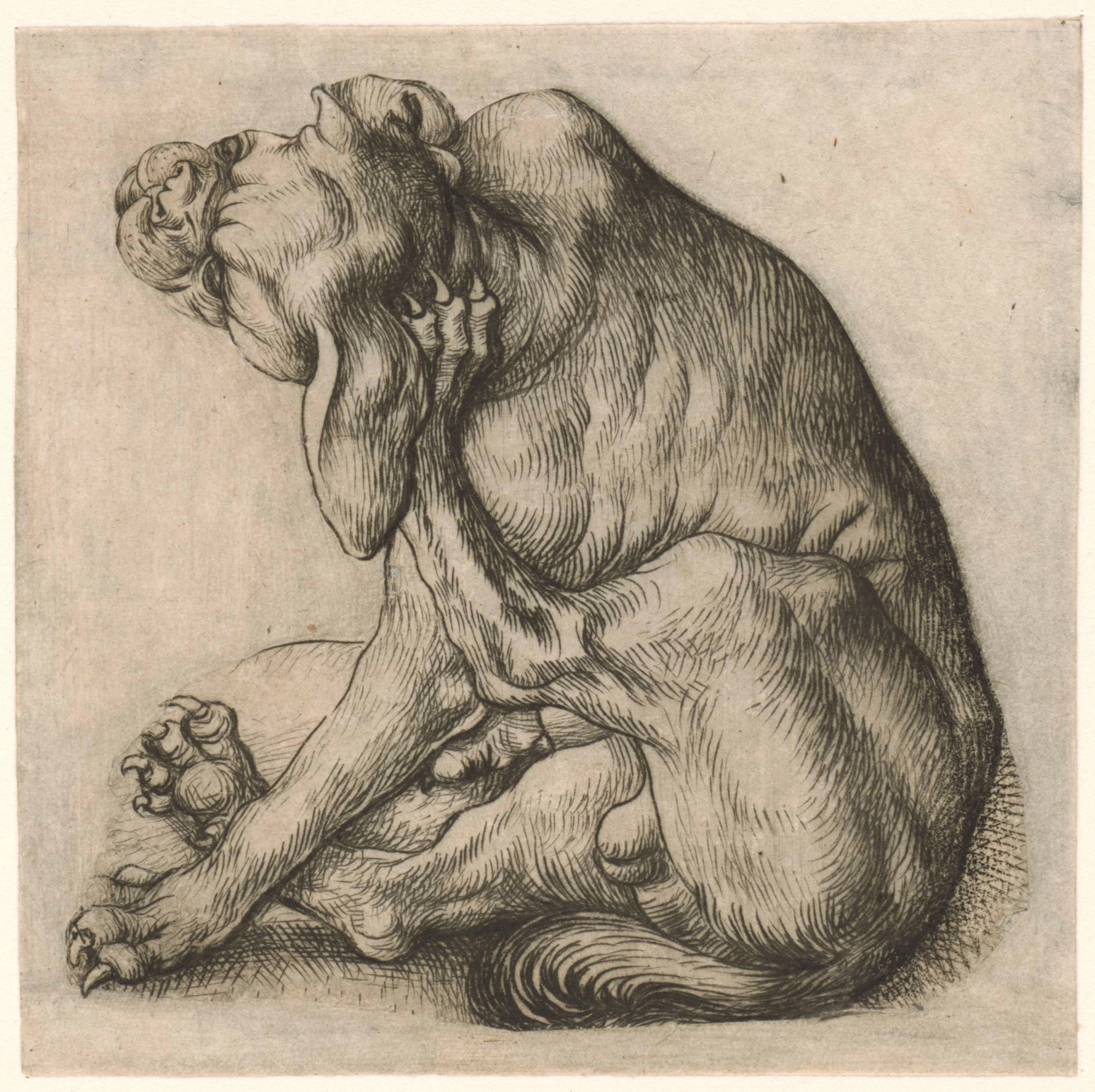
The incorrect lexical unit “drypoint etching” has moved from occasional historical looseness or commercial convenience to something closer to a default “common name” among many non-specialists, driven by the mechanisms identified: prestige borrowing, algorithmic amplification and the low-friction information ecology of social platforms.
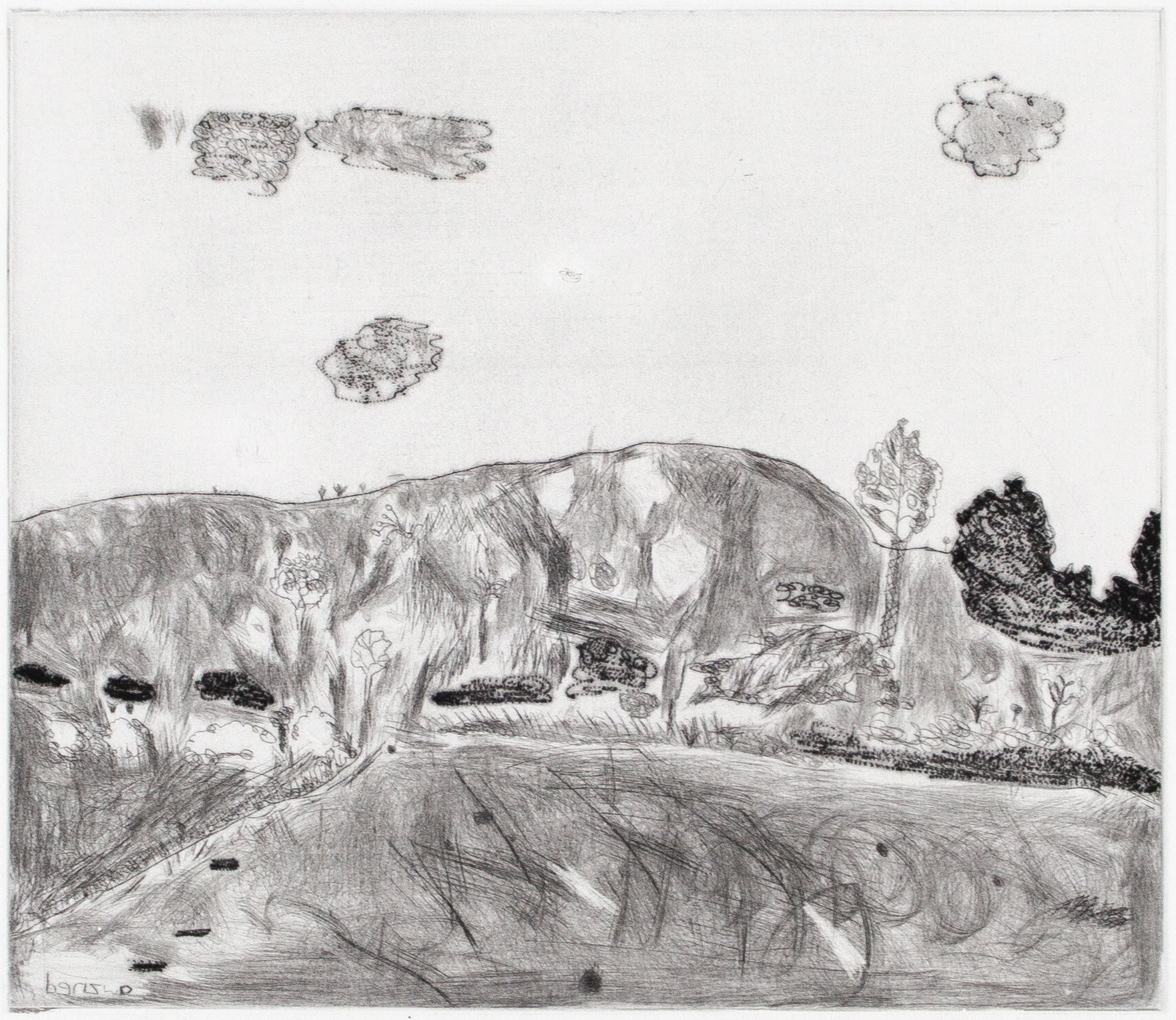
Prestige and the incentive to mislabel
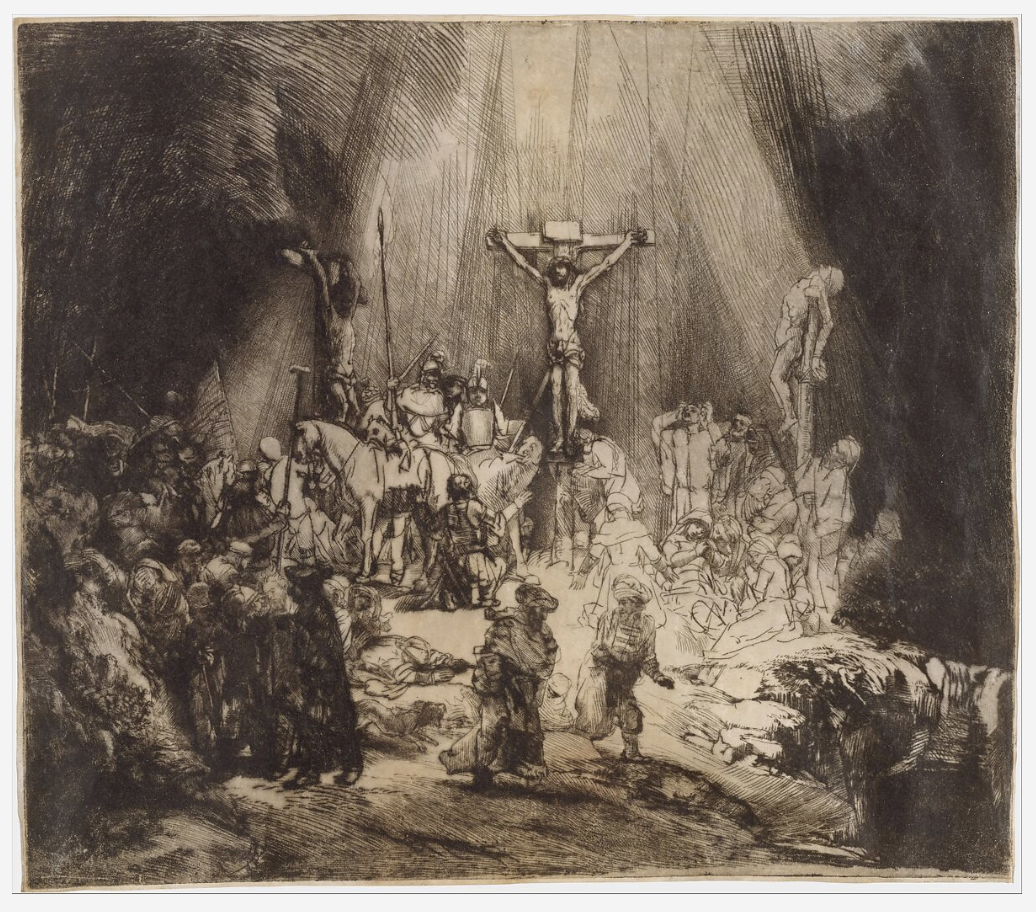
Etching has long held a higher place in the hierarchy of recognition. It is associated with major historical figures (especially Rembrandt, whose entire printed oeuvre is routinely called “etchings” even when some of his impressions are made exclusively in drypoint), the 19th-century Etching Revival, and a sense of technical sophistication involving chemistry and controlled biting. Drypoint, by contrast, is simpler in its pure form and was historically often treated as a supporting or finishing technique (today, it is widely popular among beginner printmakers and the workshop circuit). Attaching the word “etching” therefore functions as a status upgrade. For sellers, self-taught makers or content creators, the hybrid label can make a work sound more established or technically advanced than “drypoint” alone. This prestige incentive is not new, but social media and SEO have industrialised it.
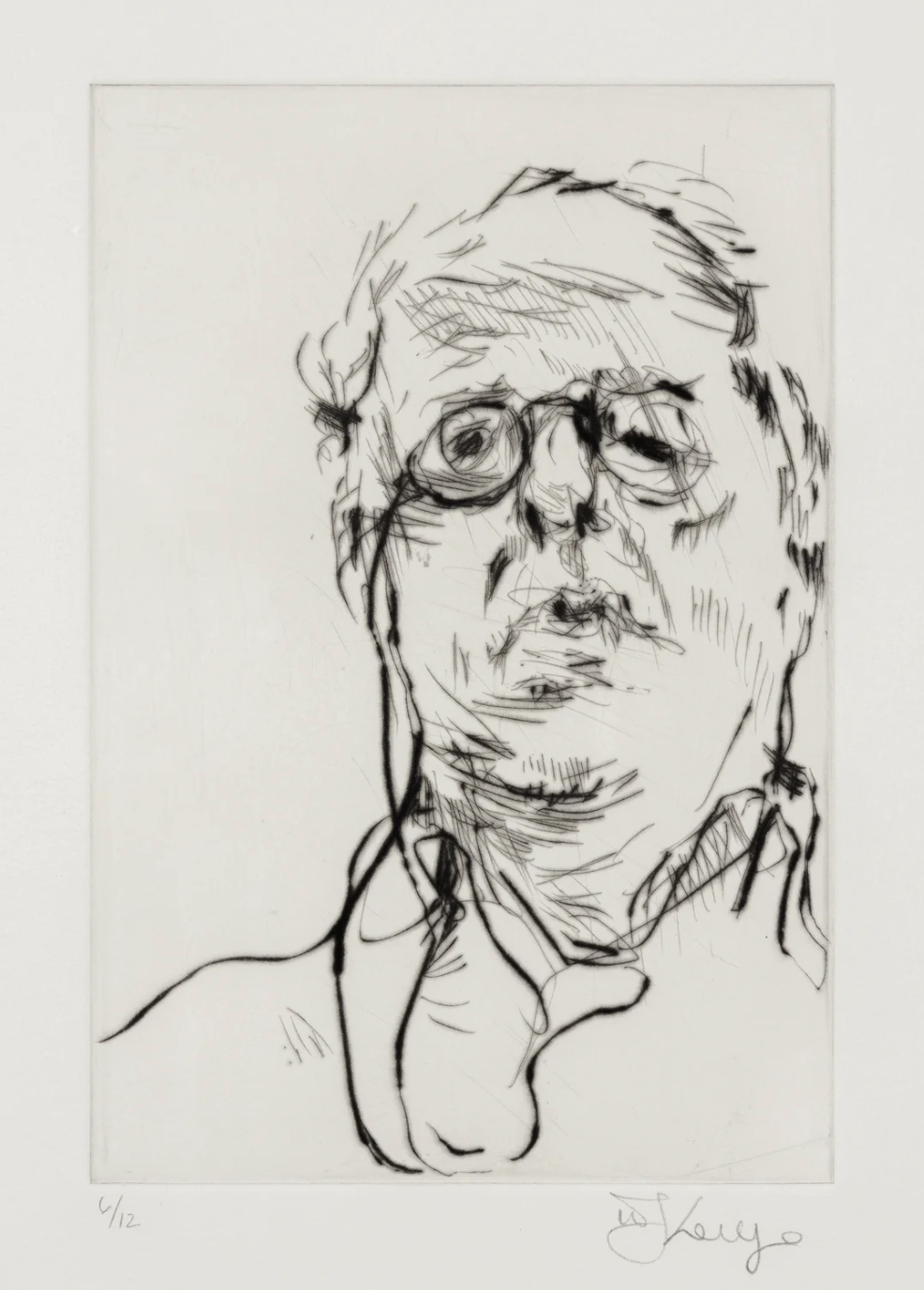
SEO, algorithms and the feedback loop
Search engines and algorithms reward frequency and engagement, not accuracy. Once a certain volume of listings, blog posts, Instagram Reels, Pinterest pins, or YouTube titles use “drypoint etching,” the phrase begins to rank and be suggested. Content creators then adopt it because it performs better: higher search visibility, more clicks, more views, more followers. The algorithm does not distinguish between a museum catalogue entry and a 30-second reel filmed by someone who learned the process from another reel. Reputable sources—printmaking manuals, museum glossaries, specialist publishers and experienced printmakers—remain relatively static and less optimised for the same discovery pathways. The result is a self-reinforcing cycle in which the misnomer becomes the most visible term.
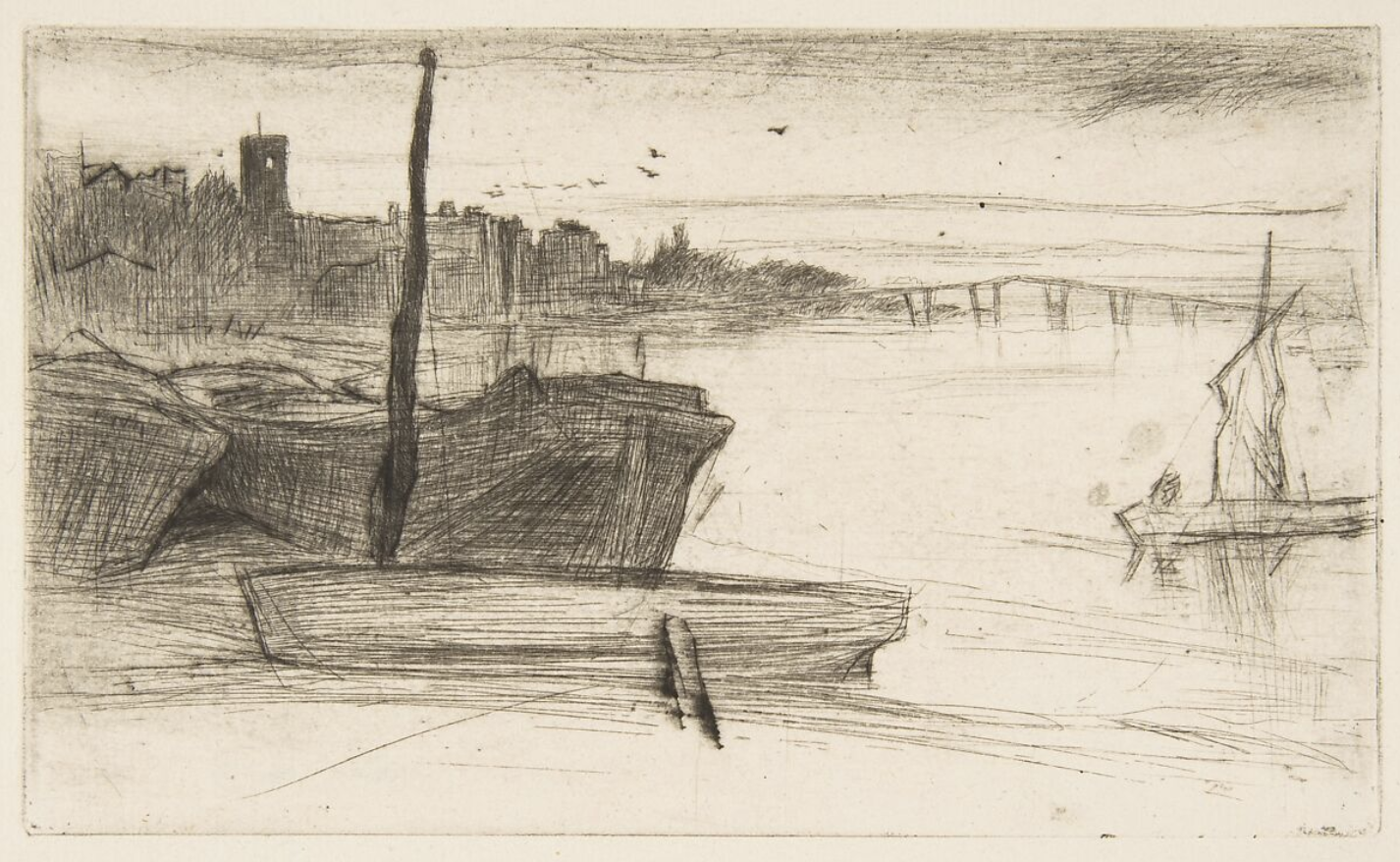
Consequences for knowledge transmission
The downstream effects are:
- Amateur and self-taught practitioners encounter the term as if it were standard. Many begin with accessible online content rather than technical literature. When the dominant visible language is already loose, people absorb incorrect usage as normal.
- Instagram Reels, TikTok-style short videos and popular printmaking blogs prioritise demonstration speed, visual appeal and shareability. Nuanced distinctions between mechanical scratching (drypoint) and chemical biting (etching) are easily elided or omitted. Viewers leave with a hybrid mental category.
- Over time, precise nomenclature loosens. Terms that once carried specific technical meaning become interchangeable or ornamental. “Drypoint etching” is no longer recognised by many as a contradiction or impossibility; it is treated as the ordinary name for the scratched-plate process. Similar looseness appears with other techniques, such as the casual conflation of engraving and etching, photopolymer and photogravure, woodcut and woodblock print, and monotype and monoprint.
This is not mere pedantry. Printmaking nomenclature exists to communicate process, materials, edition durability, visual character and historical context. When the terms blur, buyers, collectors, students and even some educators lose the ability to distinguish what they are looking at or making. A drypoint (fragile burr, limited edition, soft line) is not the same object as an etching (crisp, wiry line), nor is it the same as an etching strengthened with drypoint. The misnomer collapses those distinctions.
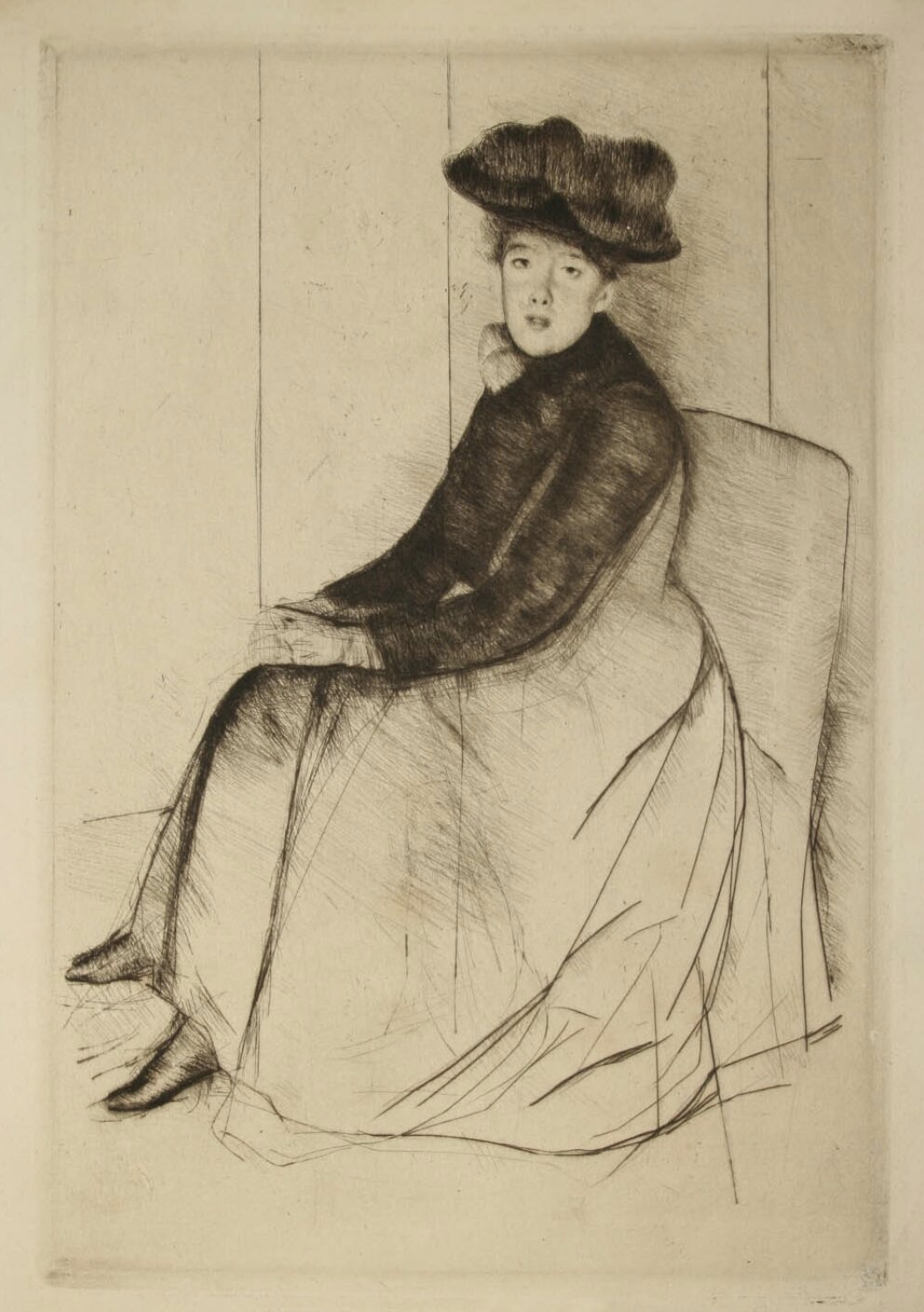
The broader pattern
The phenomenon is characteristic of specialised crafts and technical fields under the pressure of platform-mediated knowledge. Accurate specialist language is precise but relatively low-volume and less “engaging.” Algorithmically favoured content is high-volume, simplified and optimised for attention. Without strong counter-pressure from teaching institutions, museums, professional printmakers and studios that actively correct usage, the incorrect or prestige-enhanced version gains ground. The observation that the misnomer is now spreading from “badly informed people” via platforms that prioritise viewership over accuracy is therefore not an exaggeration; it concisely captures how technical vocabulary erodes in the current information environment.
In final analysis, my conjecture is well-founded. The prestige differential supplies the motive, while SEO and social-media tagging supply the transmission mechanism and the result is a measurable loosening of printmaking terminology among precisely the audiences—amateurs, self-taught makers and online learners—who most need clear distinctions.