
At Warren Editions, intaglio is the core of the studio’s printmaking practice, from which héliogravure is a part, not just a technique but a highly respected craft. Héliogravure is both an intaglio and a photomechanical technique, renowned for combining photographic detail with the depth and richness of densely pigmented etching inks. When printed on archival paper with permanent pigments, héliogravure is regarded as one of the most archival of all print techniques.
In this process, a continuous-tone photographic positive is exposed onto a light-sensitive pigmented gelatin tissue. This tissue is then bonded to a rosin-coated copperplate. The extremely fine rosin grains form the aquatint structure that makes the full range of tones possible – from the faintest light grey to deep, velvety blacks. Historically, aquatint was developed in the mid‑eighteenth century to emulate watercolour washes, and it remains one of the most sensitive methods for rendering tone in intaglio.
Once the gelatin has been exposed to UV light, it undergoes a hardening effect. Timing at this stage is critical: the exposed tissue must be laid down immediately onto a meticulously prepared copperplate. Any delay results in a thicker gelatin layer and a more contrasted image, with a loss of subtle light tones. At Warren Editions, the lay‑down is done with great care so that the gelatin bonds seamlessly to the degreased copper.
The plate is then developed in warm water to wash away the unhardened gelatin. What remains is a delicate, pigmented relief that holds the image. The plate is transferred to chilled water to stabilise the gelatin and ensure an even dry. Once dried, the un-etched copper on the margins and backside is carefully staged with tape or asphaltum to protect these areas during etching.
The conditioning of the plate before etching is crucial. In the Warren Editions studio, the environment is kept at an average relative humidity of 60% and a temperature of 21 °C. The plate rests in this controlled climate for about 24 hours to ensure the pigmented gelatin maintains a stable moisture content. In the subsequent etching, a reversal takes place: light areas in the gelatin will eventually print as darks, while dark areas in the gelatin become light tones and highlights.
For each héliogravure, Zhané Warren etches the plate in four to five baths of ferric chloride of different strengths. The deepest darks etch first; the process then moves gradually through the tonal scale until only the brightest spectral highlights remain. This careful, staged etching yields the extraordinary tonal range for which héliogravure is so highly valued.
After etching, the copperplate is polished and proofed. If needed, additional corrections are made, the edges are trimmed, and the plate is bevelled and steel‑faced. Only then is the plate ready for printing. The result is a print that not only records an image with exceptional subtlety, but also embodies the time, precision and material sensitivity that define the Warren Editions studio.
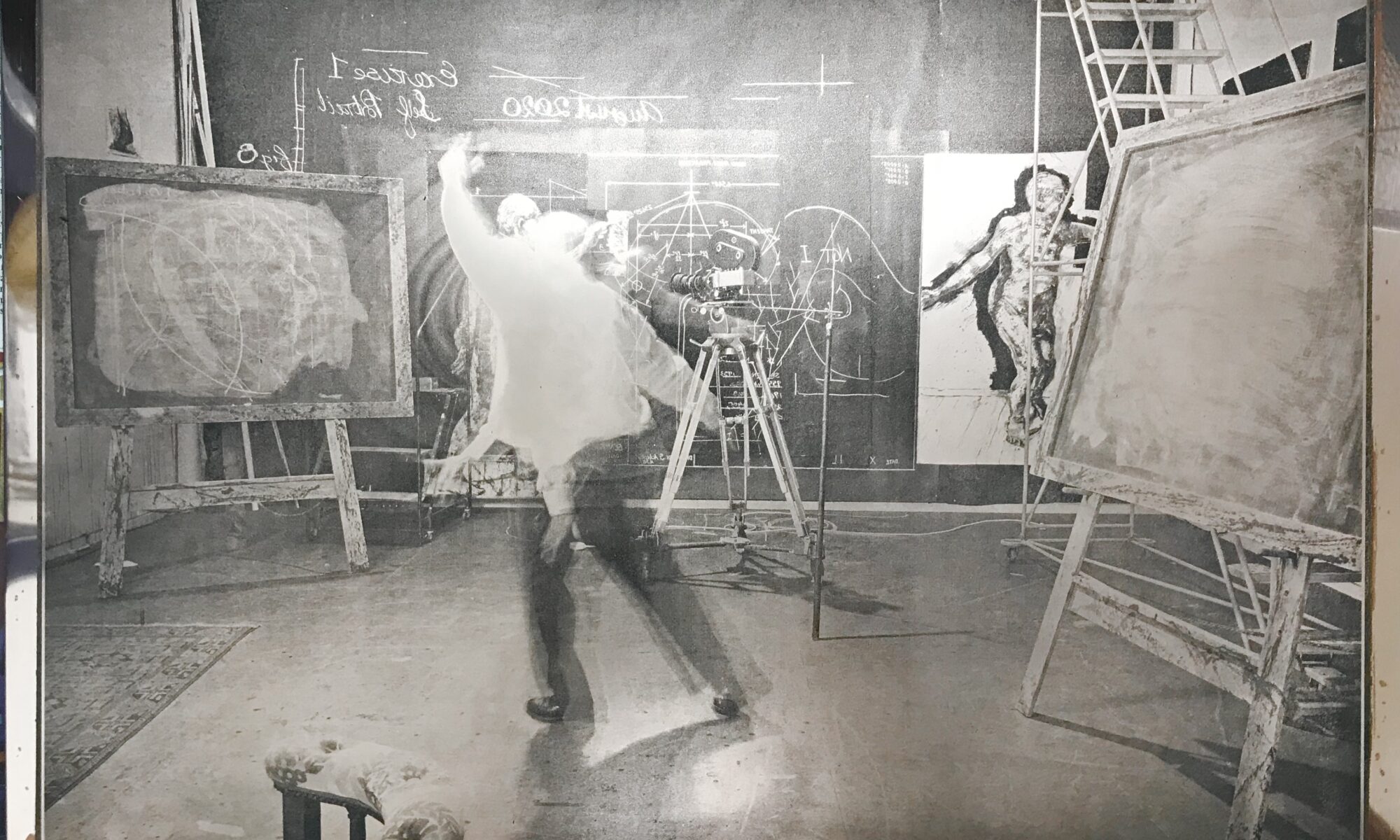
Featured is the etching of the plate for exercise 1 by William Kentridge.


