
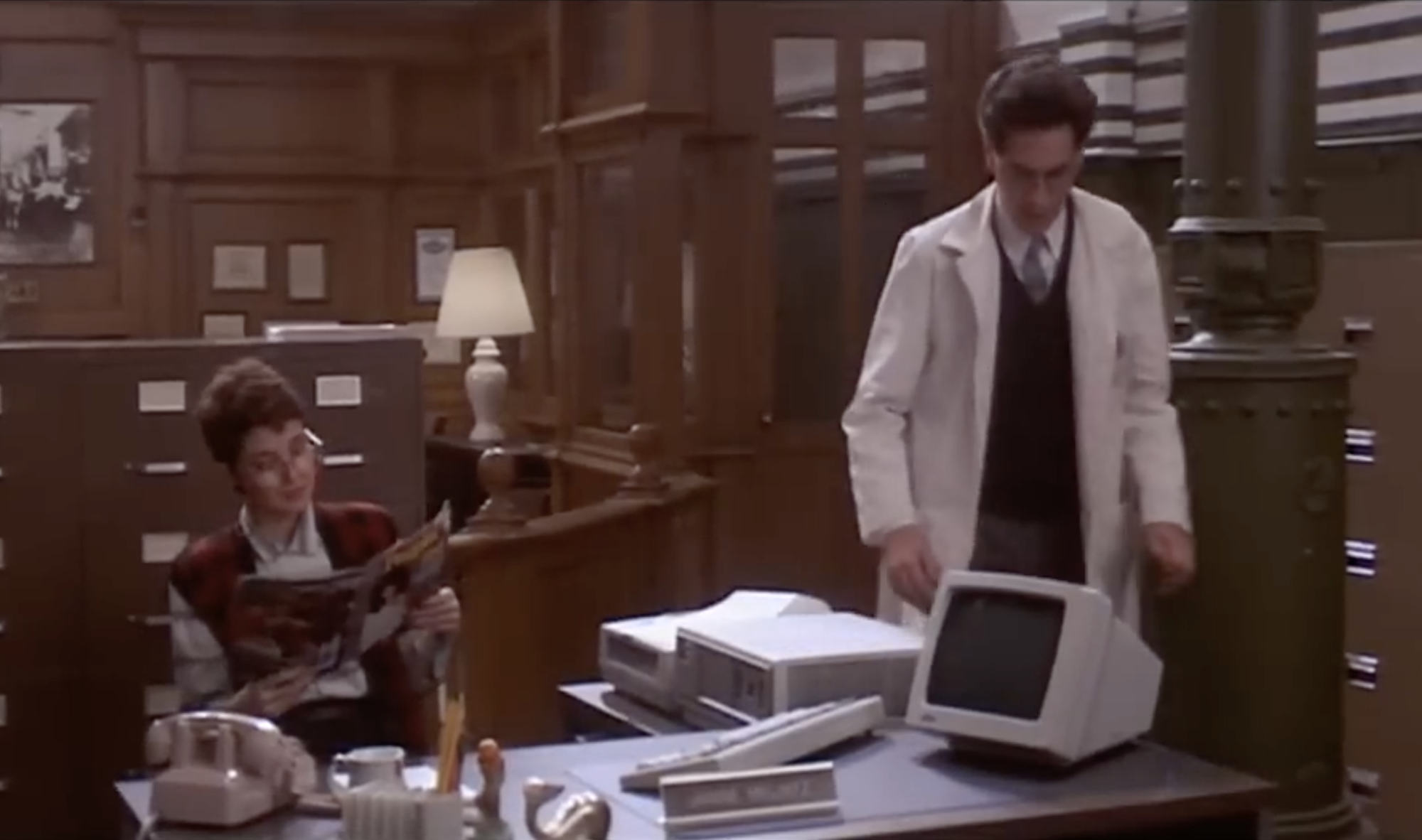
The phrase “print is dead” was popularised by Harold Ramis in the 1984 film Ghostbusters, where his character, Egon Spengler, delivers the line deadpan in response to a colleague’s interest in reading.
However, the sentiment predates the film. References to “print is dead” appeared in the Antioch Review in 1967 in discussions of media theorist Marshall McLuhan’s scholarship, which argued that new media such as television would supplant print. The phrase gained traction in tech circles during the early 1980s as personal computers rose to prominence.
Today, however, assessing the claim that “print is dead” is difficult because “print” encompasses several distinct things. It may refer to newspapers, books and other forms of publishing; to commercial materials such as packaging and advertising; to reproductions of works created in another medium; or to original prints conceived and produced through printmaking itself. These categories have not followed the same trajectory. Digital platforms have transformed publishing and advertising, but commercial print remains valuable precisely because it offers a physical encounter in an increasingly screen-based culture. Reproductions and digitally produced images have also proliferated, making printed imagery more abundant, not less.
The more complicated question concerns the original print: an artwork whose meaning, form and material character arise from the printmaking process rather than from the mechanical reproduction of an existing image.
If Instagram were our only barometer, original printmaking would appear very much alive. Artists continue to produce, exchange and discuss original prints, often with notable technical experimentation and commitment. Yet this visibility can be deceptive. Much of the activity appears to circulate among printmakers themselves, while sustained collecting, critical writing and institutional exhibition remain comparatively limited. The original print may therefore be alive as an artistic practice while becoming less visible as a broader cultural form. The real question is not simply whether print has died, but whether the structures that allow it to reach audiences, enter collections and participate in contemporary art discourse are strong enough to sustain its life beyond the communities that make it.