
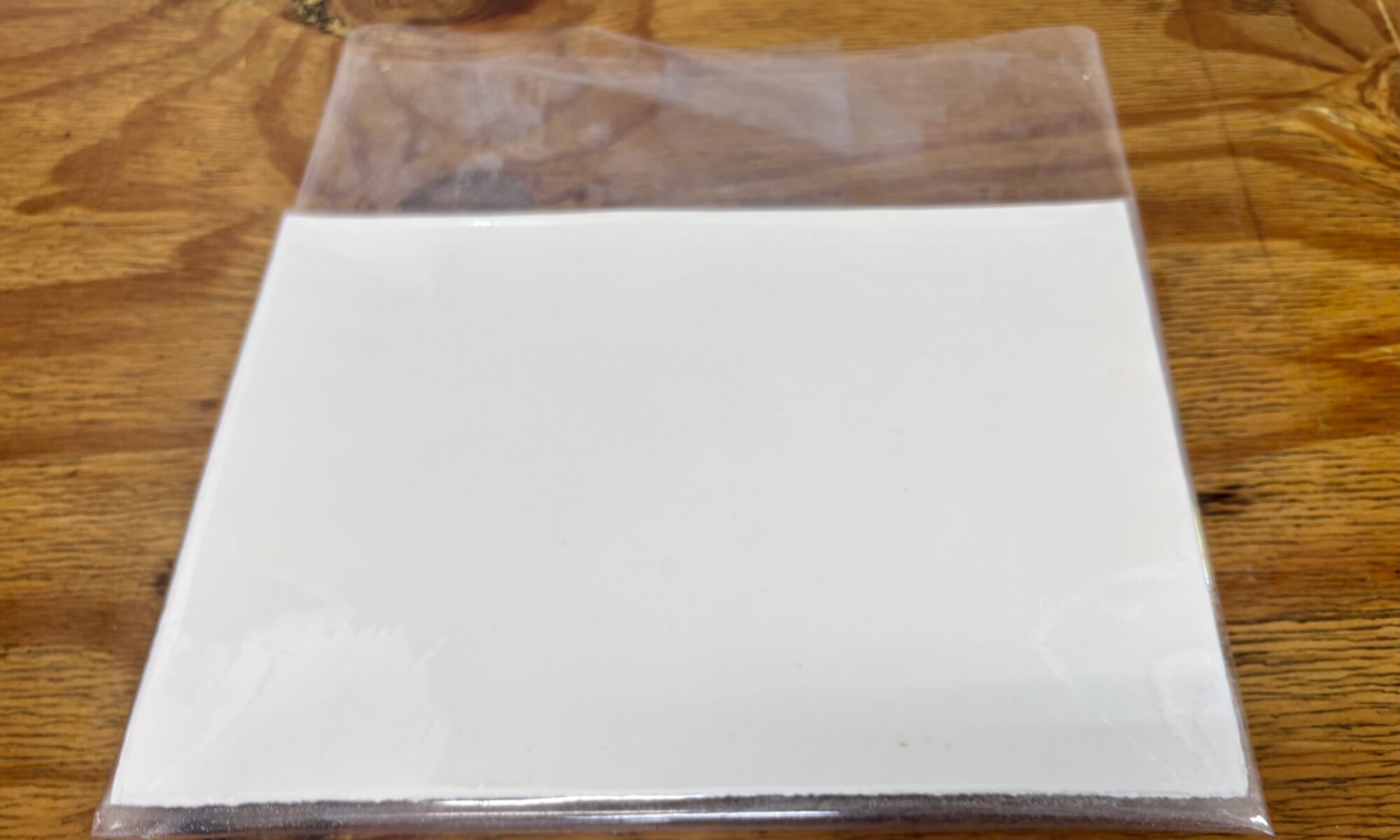
How to dampen several sheets of paper in a wetpack.
Preparation time for paper in the wetpack varies with size and weight; A3-sized and larger sheets need at least 12 hours, preferably overnight. Therefore, prepare your wetpack at the end of the day so you can use it first thing in the morning.
Observe how quickly or slowly various paper types and weights absorb water during wetpack preparation. These factors affect how damp the paper is the next day. Papers weighing 300 g/m² or more take longer in the wetpack, while those at 220 g/m² or less absorb less water. Let more water drip off the stack before sealing it in the wetpack. Pay attention to how different papers behave when dampened to reduce troubleshooting, improve printing speed, and ensure consistent results.
The elements required to make a wetpack are the designated area, water and the plastic used for it.
Wetpack table: Designate a suitable work surface for preparing and storing the wetpack.
Tray of water: Always use fresh, clean water. Ensure the tray is clean. Wipe the tray with isopropyl alcohol to remove mould spores (usually invisible) and disinfect the surface. Fill the tray with about half an inch of water. Discard this water after making the wetpack.
Vinyl: To make a wetpack, you will need a thick plastic sheet such as vinyl; vinyl from a fabric shop works perfectly. Store these flat or rolled. Before use, wipe both surfaces with isopropyl alcohol to remove any potential mould spores. Lay the vinyl out cleanly on your wetpack table before making a wetpack.
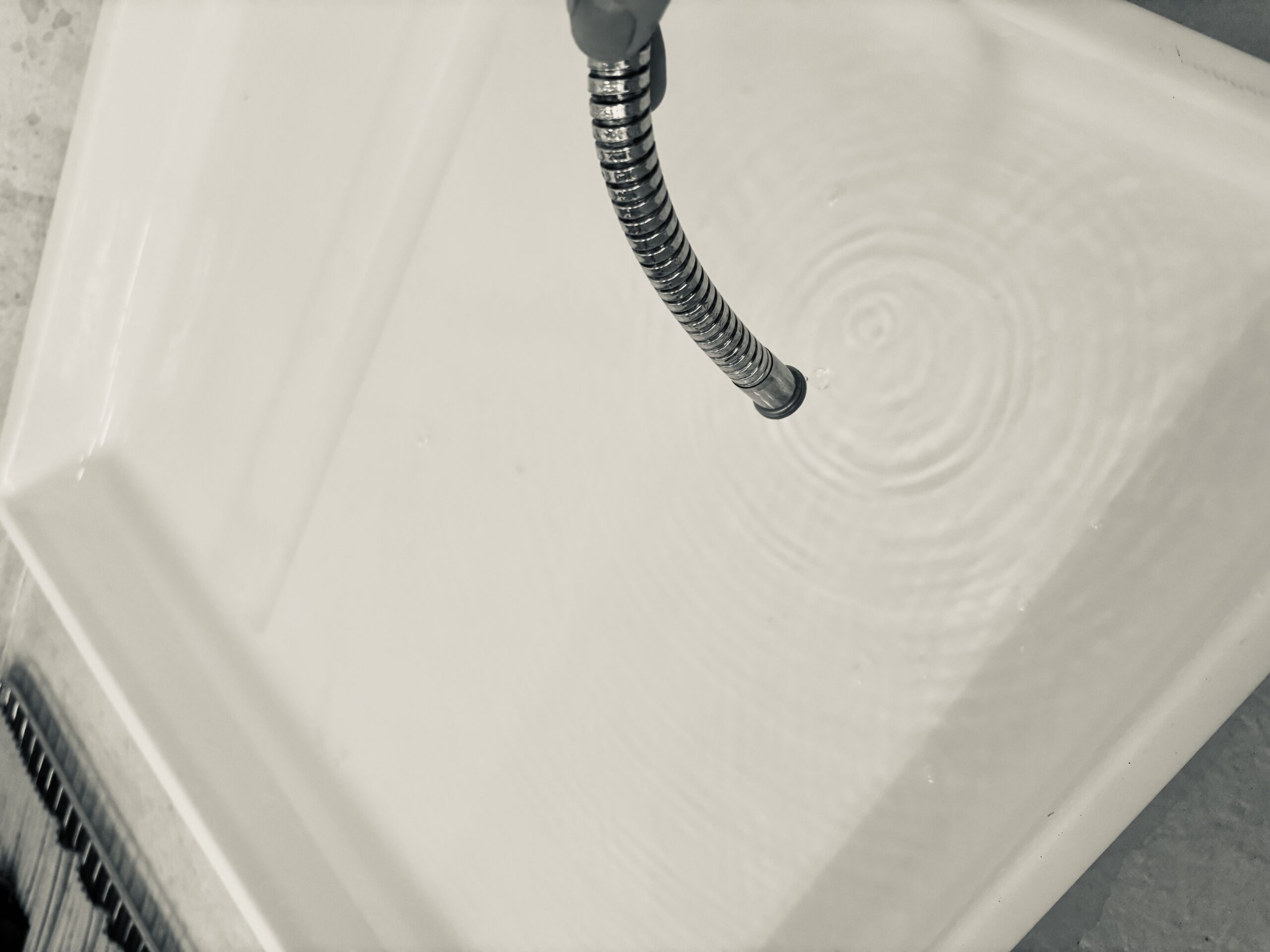
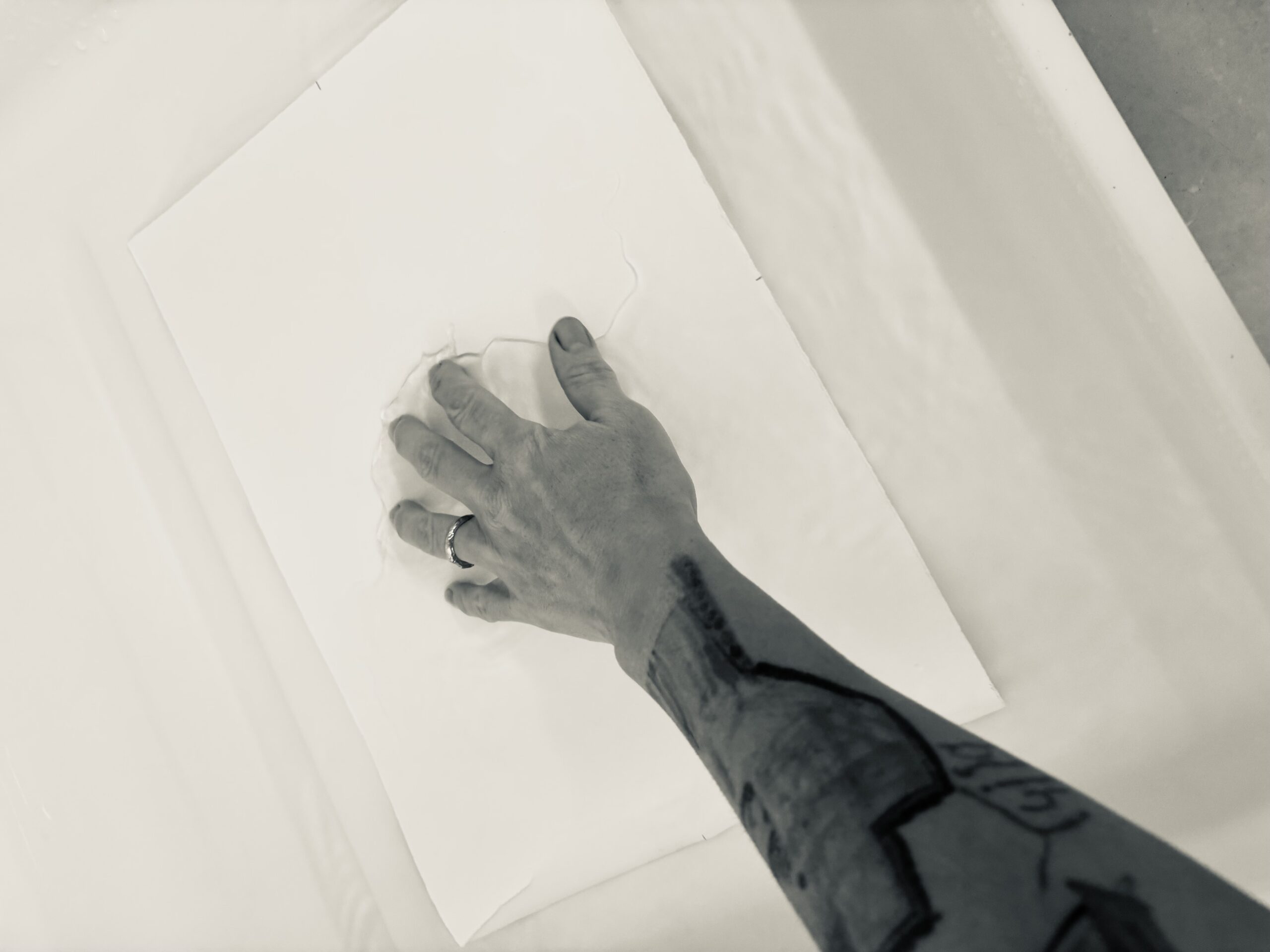
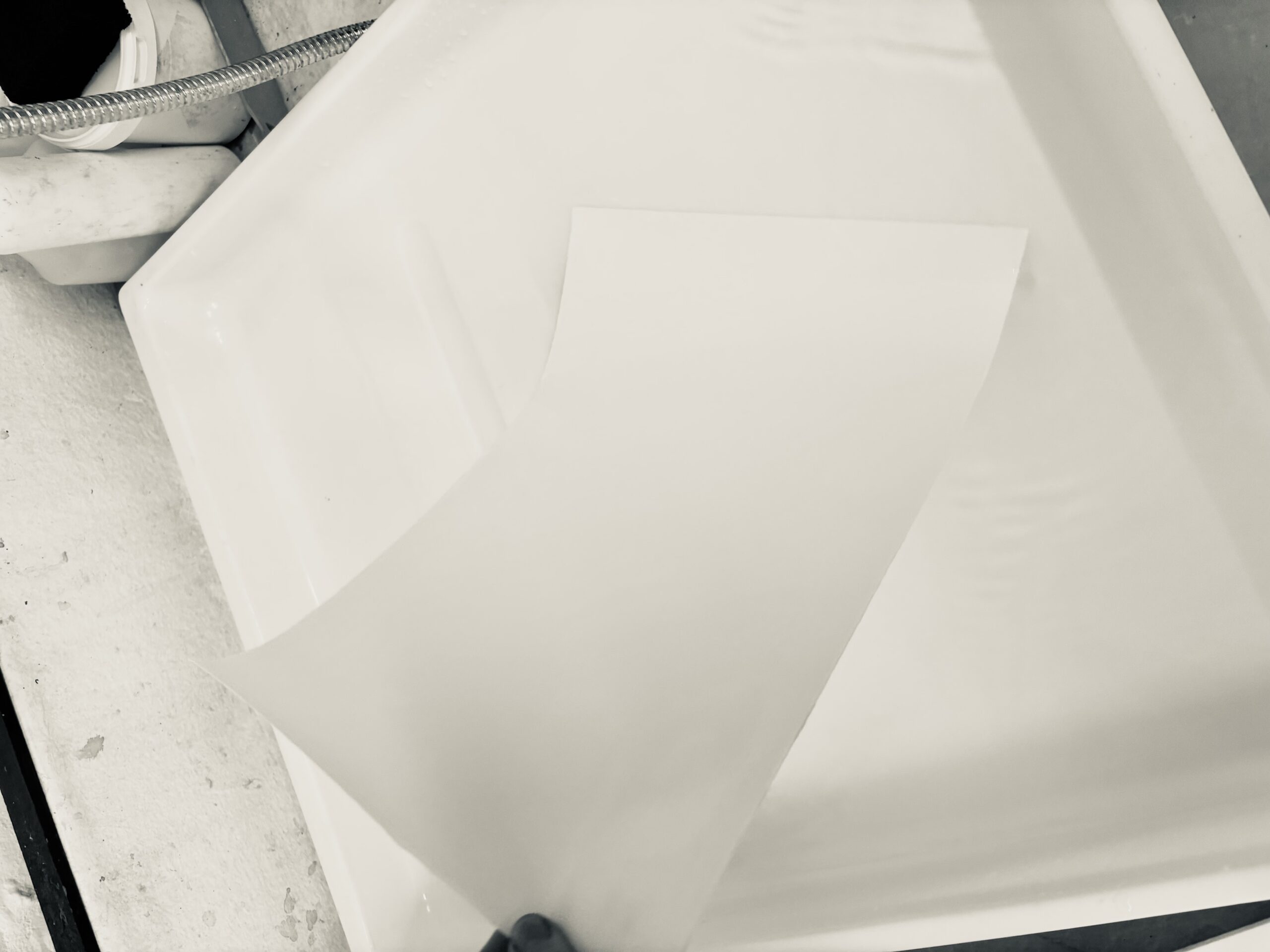

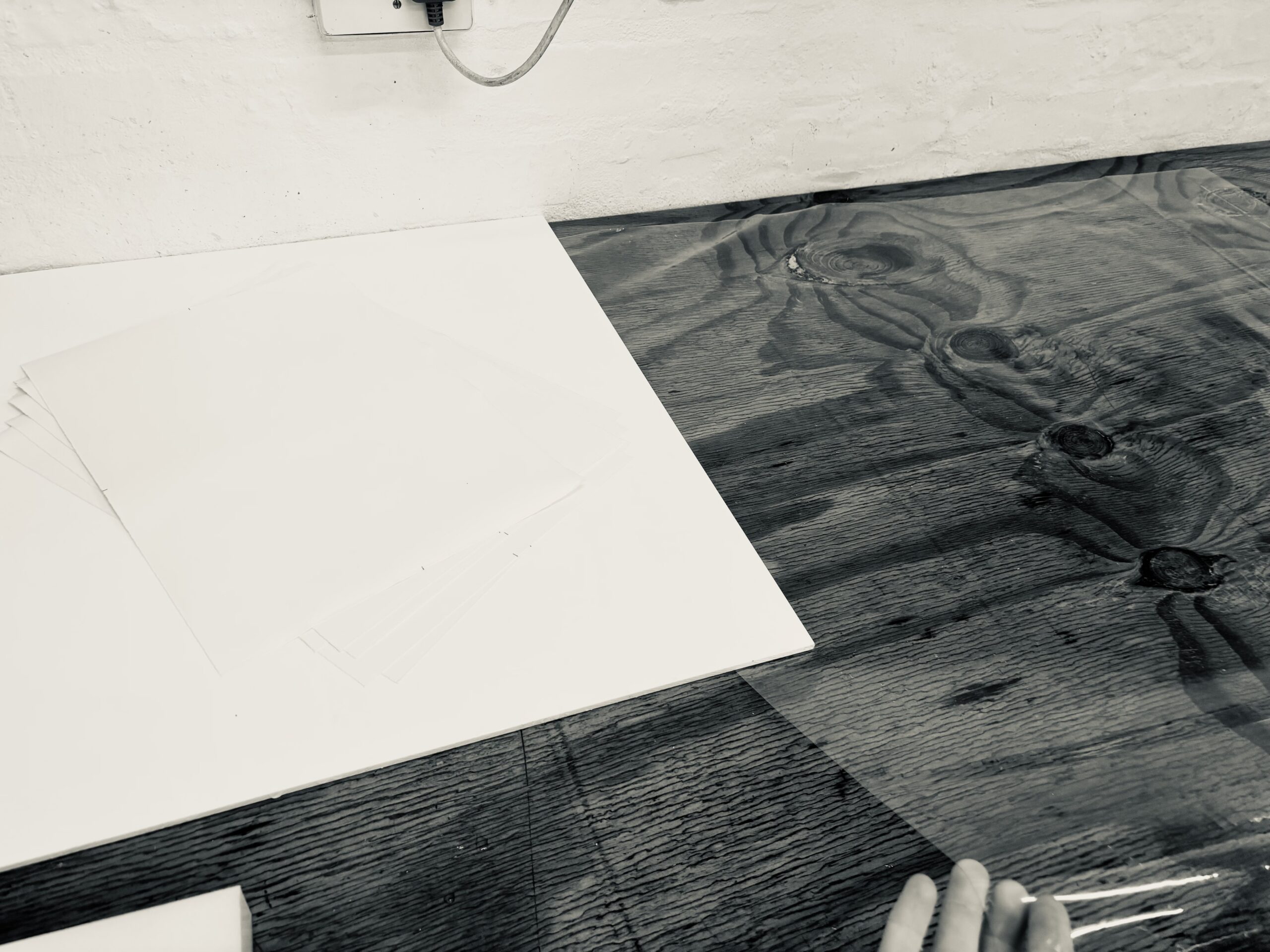
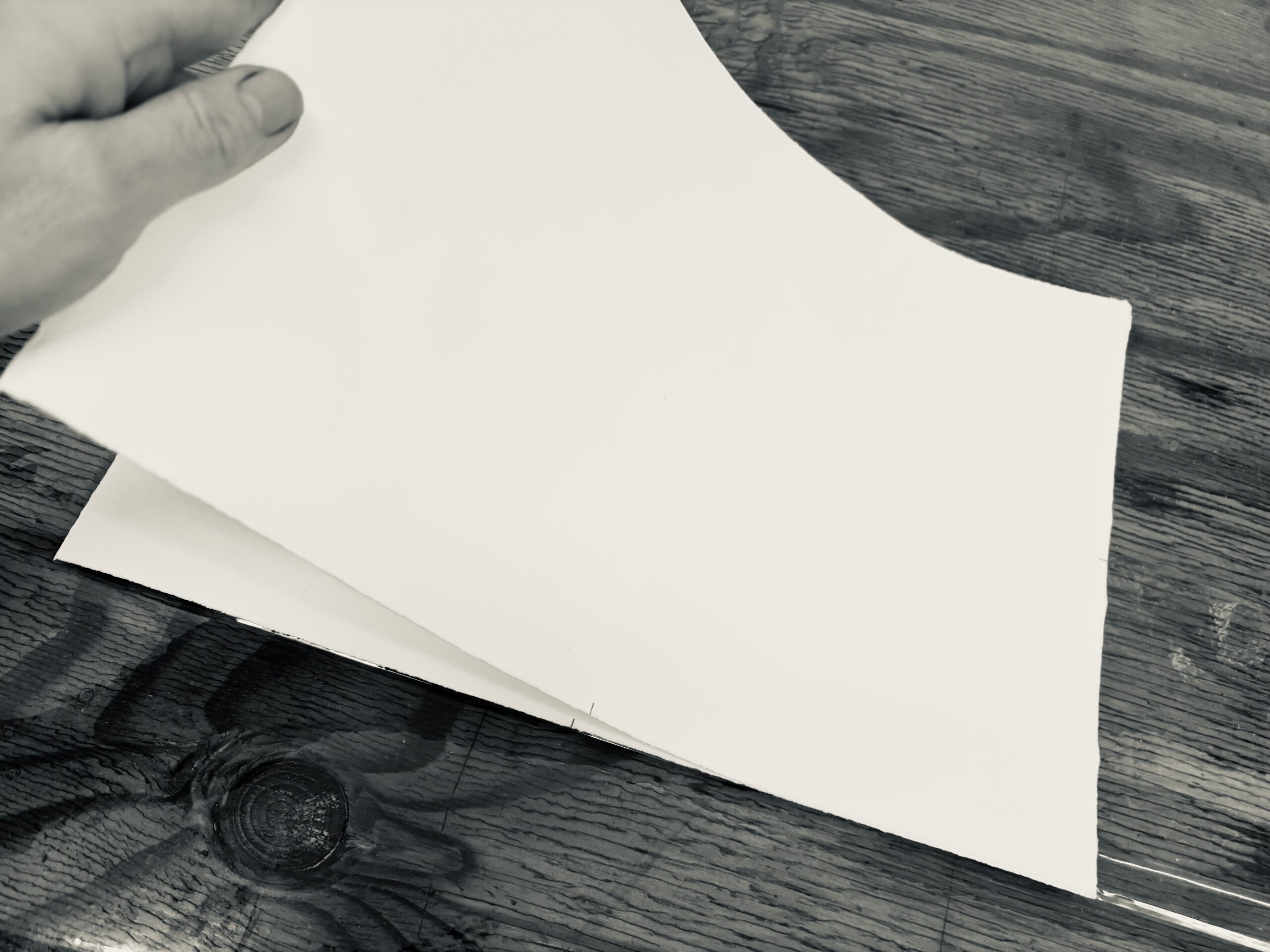
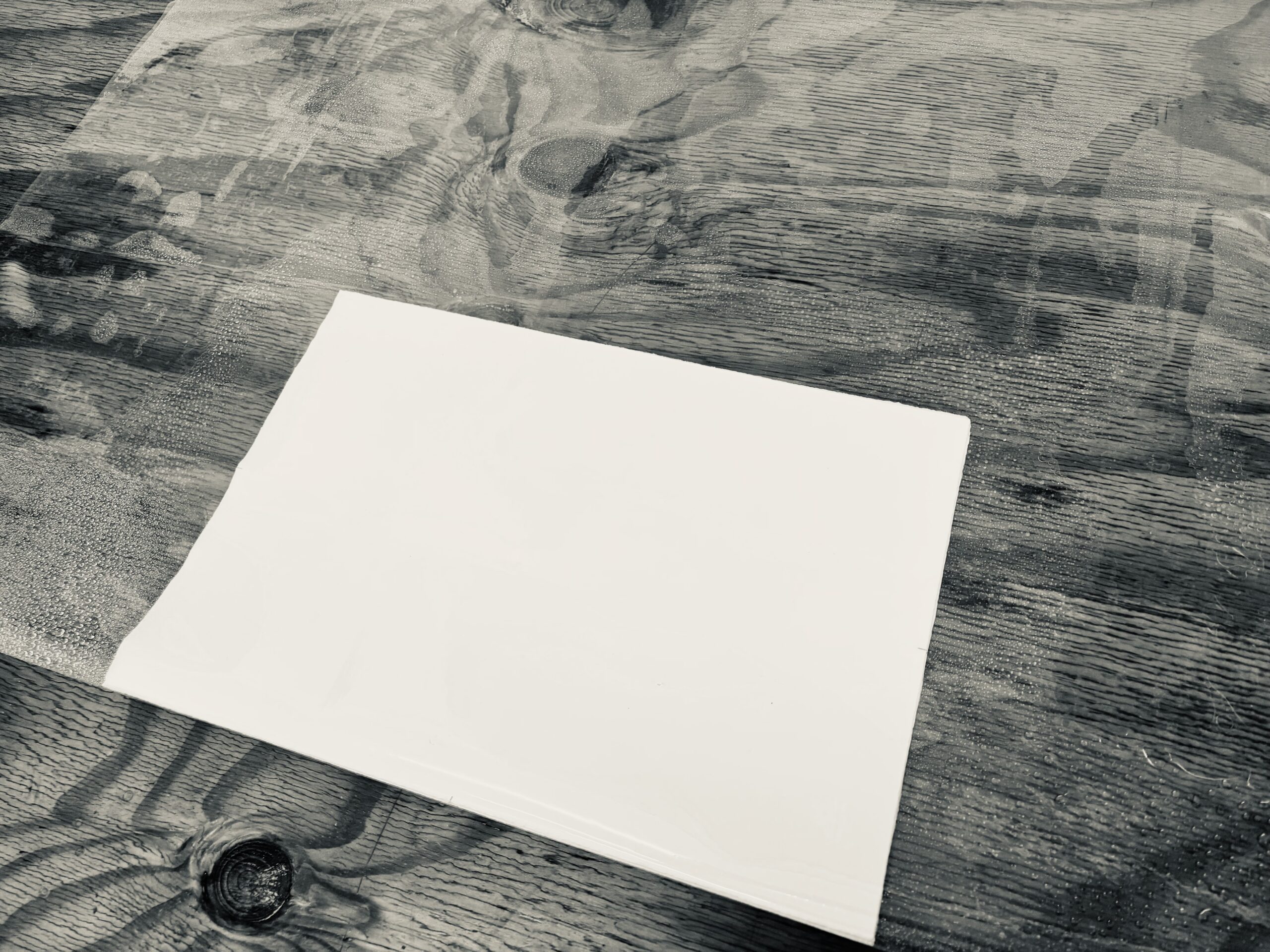
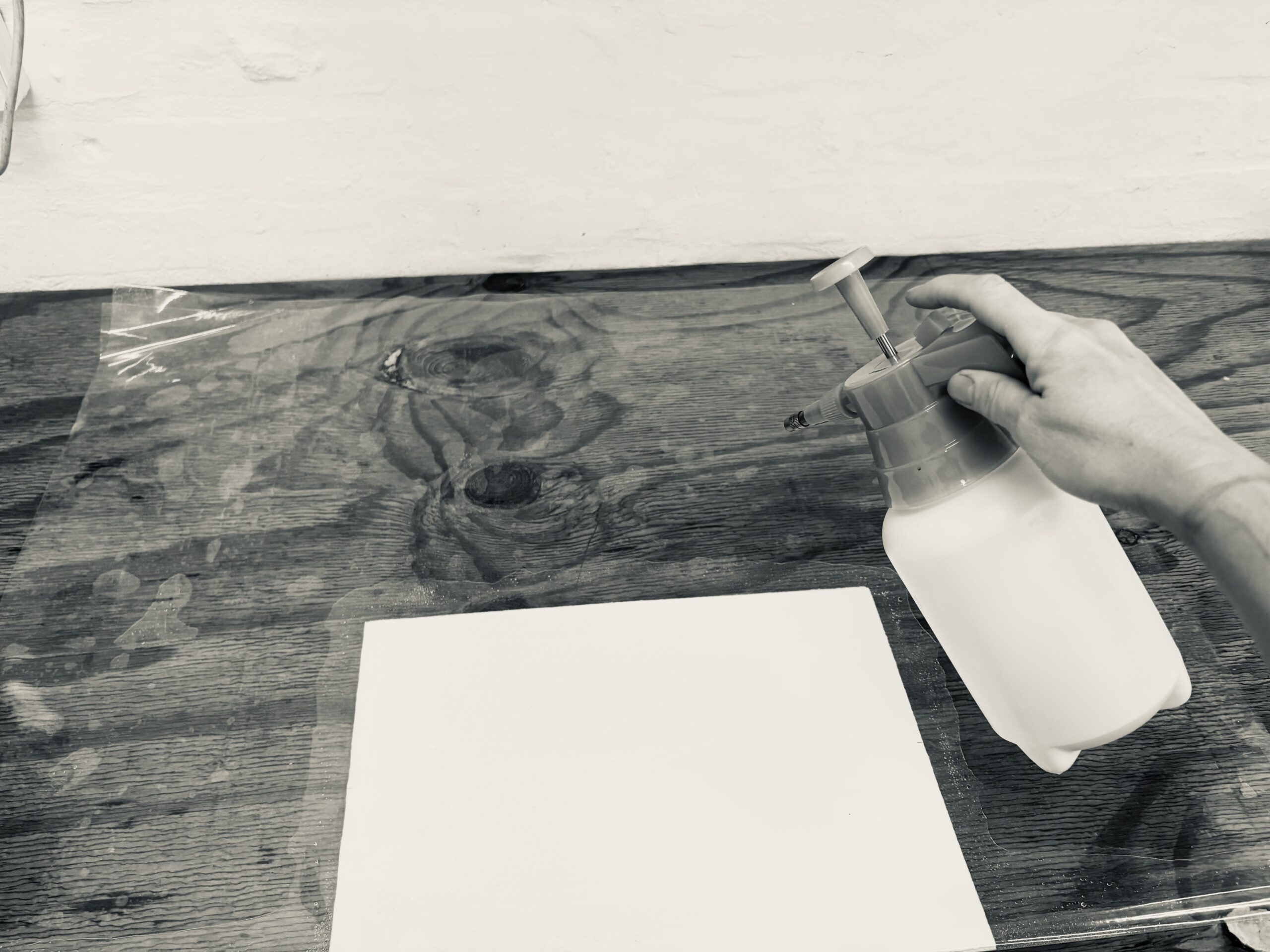
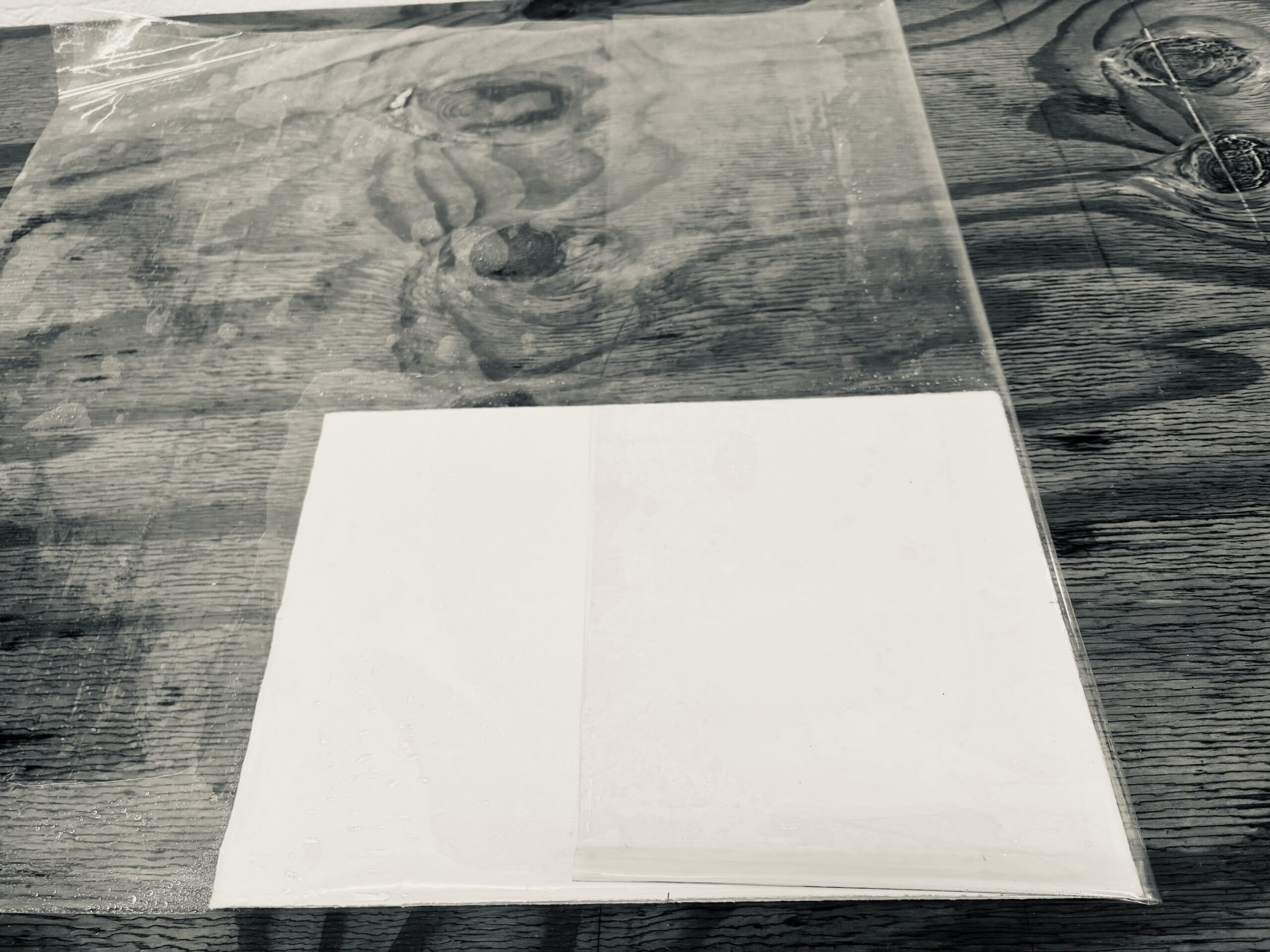
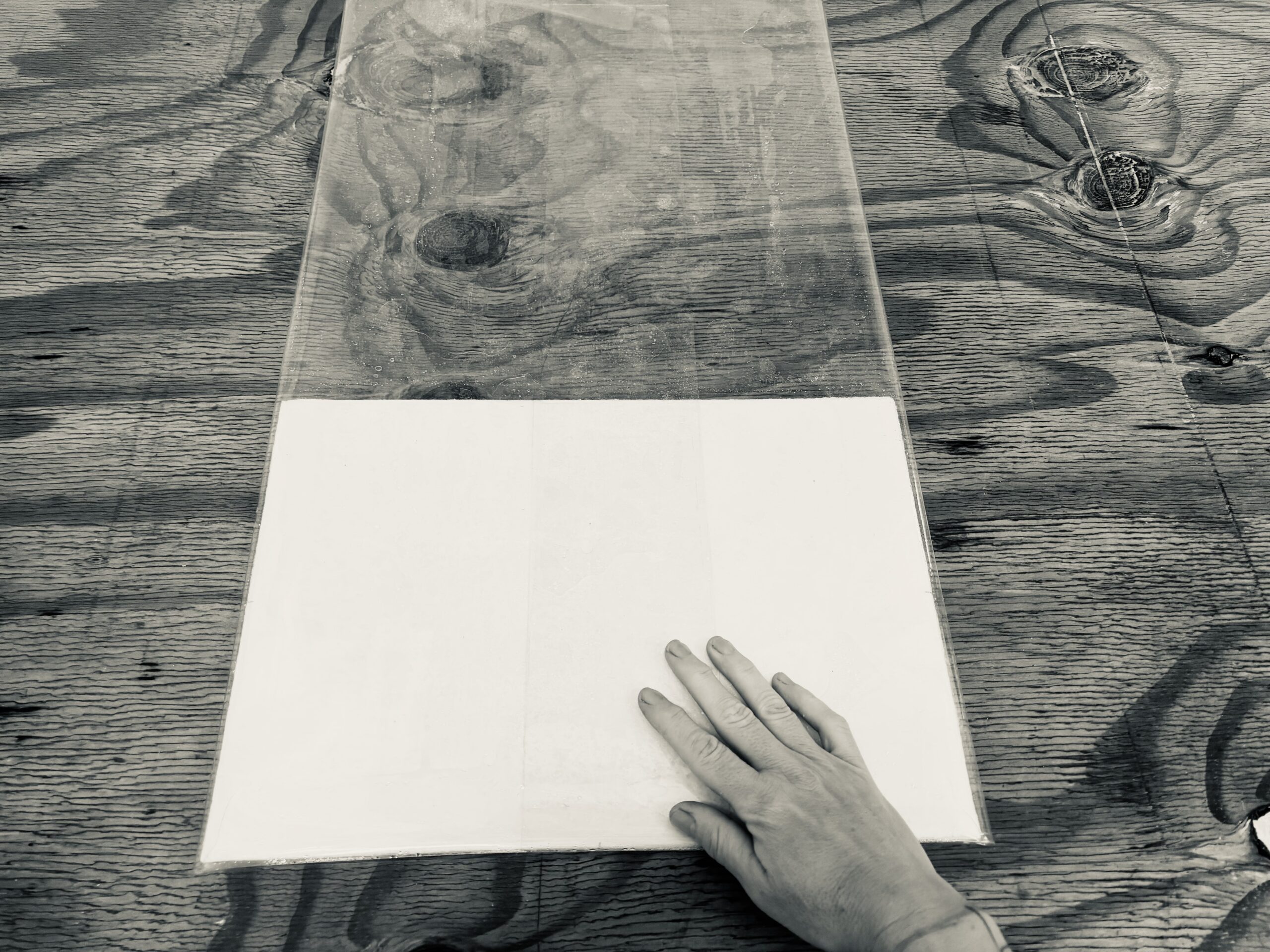
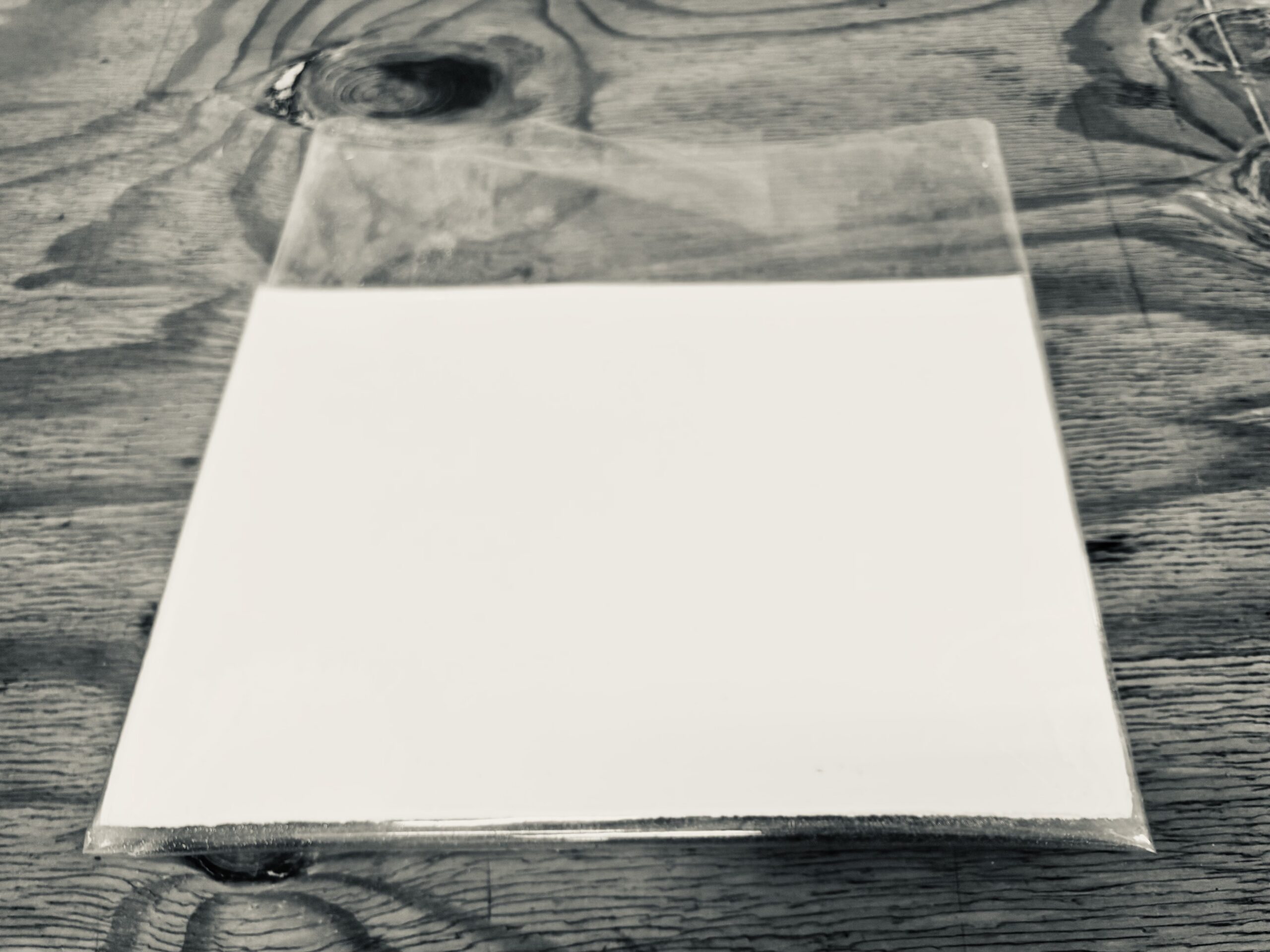
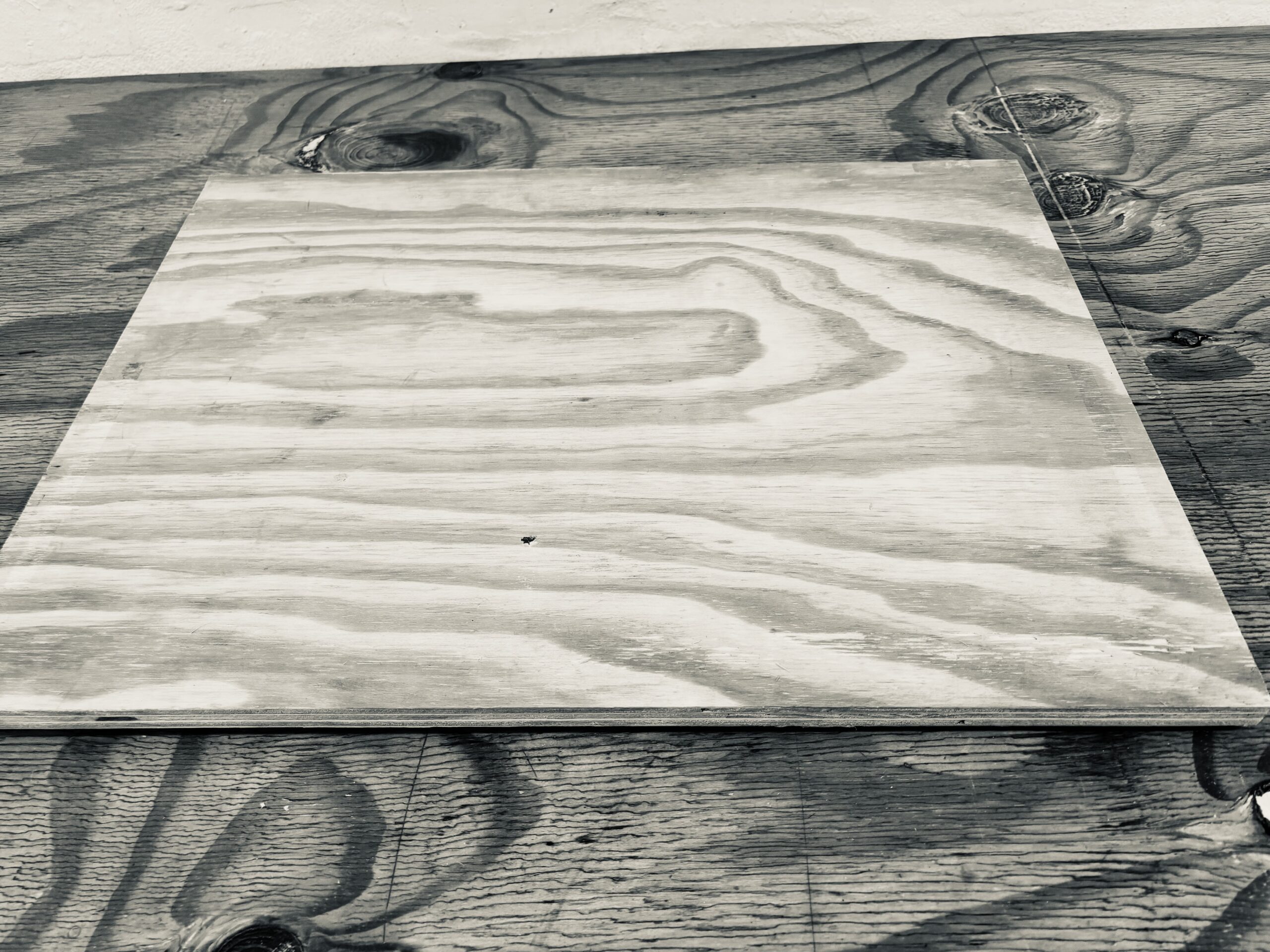
Step-by-step Instructions:
- Dip the paper into the water tray.
- Make sure both sides are completely wet; flip the sheet to check.
- Once satisfied, remove the paper and place it on an angled Perspex sheet.
- Continue coating each sheet with a film of water, then stack them on top of one another on the Perspex.
- Let the water run off the Perspex until no more is visible. Directing the water from a corner of the Perspex helps to remove more water from the sheets.
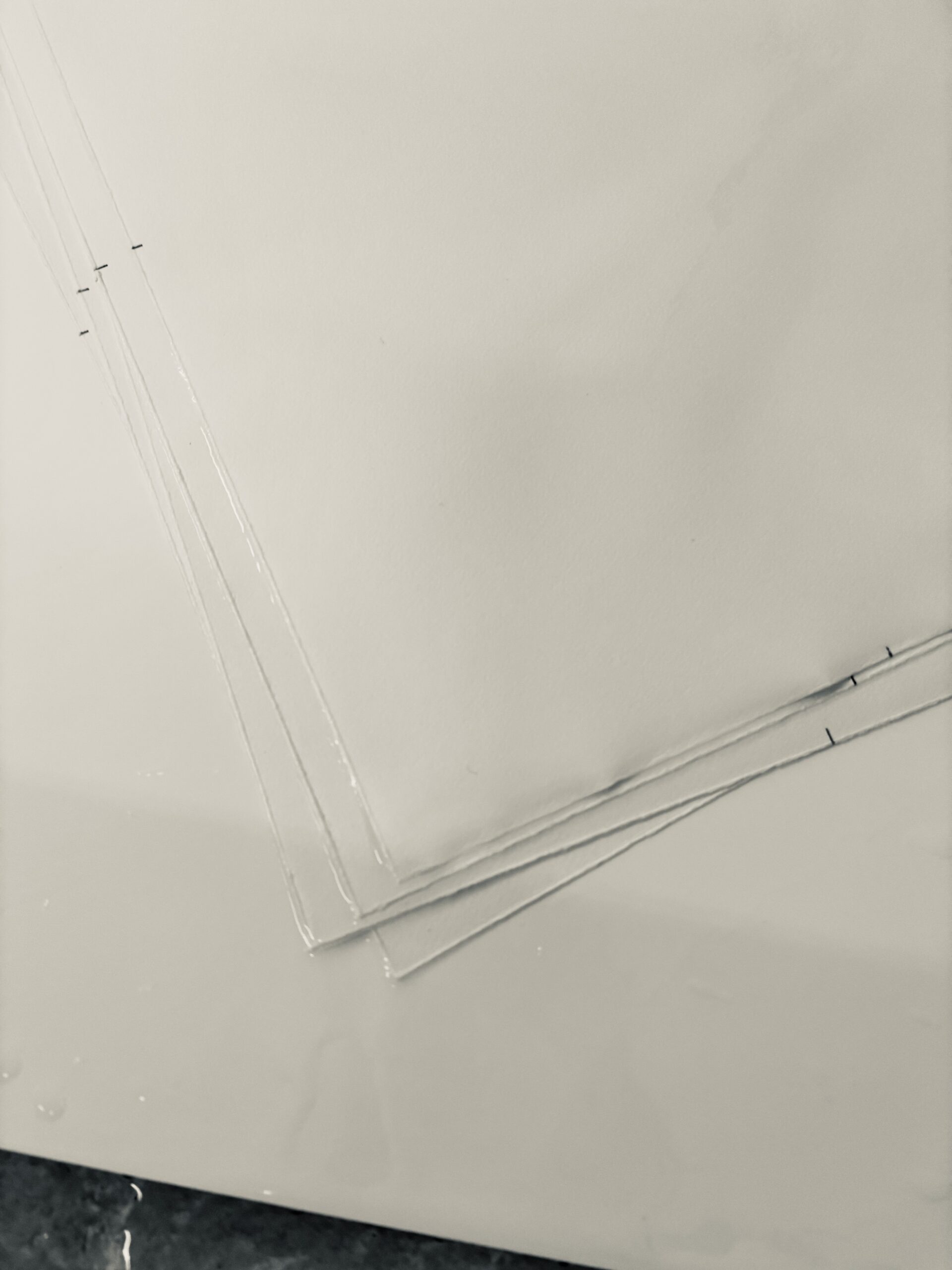
- Transfer the paper stack from the Perspex onto the open vinyl or restack the sheets individually in the centre of the open vinyl.
- Spray water on the vinyl on the sides of the stack, then fold the bottom half over it.
- Spray water onto the folded vinyl. Fold the left and right sides over the stack.
- Spray the vinyl with water and fold the last part over the stack.
- As you do this, flatten the vinyl against the stack by wiping it to push out air bubbles. Spraying water on the plastic helps the plastic adhere and traps moisture.
- Flip the wet pack over to secure the folded flaps under its weight. Place a wooden board on top of the wetpack. The weight drives the water into the fibres.
- Leave the wetpack overnight.
- You should be able to use the sheet immediately without blotting. If you need to blot, let more water drip from the stack when you make your next wetpack.